Seoul Buses by Color: Blue, Green, Red and Yellow Explained
 meeinup
Updated
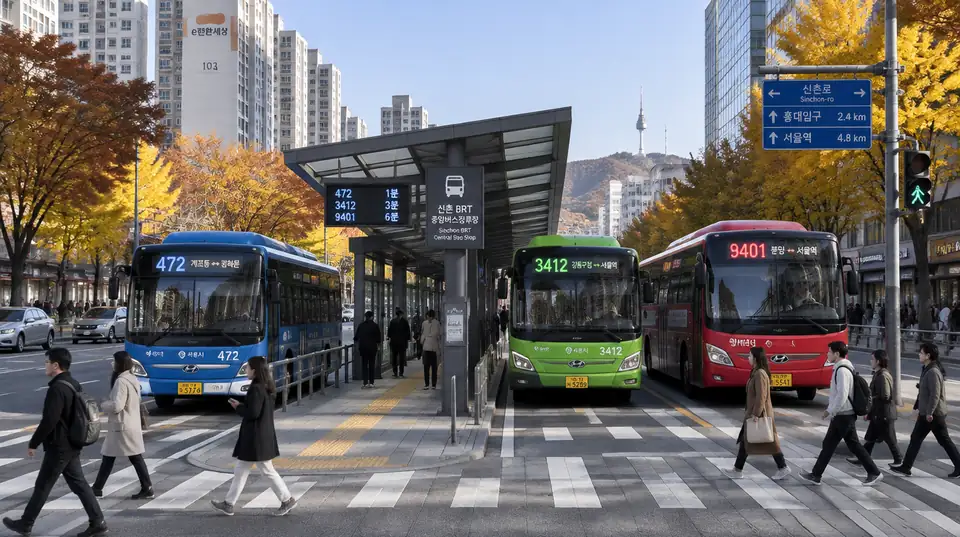
Short answer: In Seoul the colour of a bus tells you what kind of route it runs. Blue buses cross the city, green buses run short local routes to subway stations, yellow buses loop around the centre and red buses go express to cities outside Seoul. Pay with a transit card and tap it again when you get off.
In this guide
Seoul has 396 city bus routes and 7,383 buses, plus 253 maeul bus routes, as of January 2026.1 That sounds like a lot, but the system has been colour-coded since 2004,2 so once you know the four colours you can tell most buses apart at a glance.
Seoul bus colours at a glance
| Colour | In Korean | What it does | Route number | Card fare | Climate Card |
|---|---|---|---|---|---|
| Blue | 간선버스 (trunk) | Long routes from the outer districts into the centre | 3 digits, like 472 | ₩1,500 (about US$1.1) | Yes |
| Green | 지선버스 (branch) | Local routes that feed blue buses and the subway | 4 digits, like 3417 | ₩1,500 (about US$1.1) | Yes |
| Yellow | 순환버스 (circular) | Short loops around the centre | 2 digits, like 01A | ₩1,400 (about US$1) | Yes |
| Red | 광역버스 (express) | Express to cities around Seoul | 4 digits starting with 9 | ₩3,000 (about US$2.2) | No |
| Small green | 마을버스 (maeul) | Short trips inside a neighbourhood | District name and number, like Mapo 18 | ₩1,200 (about US$0.9) | Yes |
| Night | 심야버스 (N bus) | Late-night routes across the city | N plus 2 digits, like N26 | ₩2,500 (about US$1.9) | Yes |
Sources: Seoul Metropolitan Government.1, 2, 5, 7
Blue buses: across the city
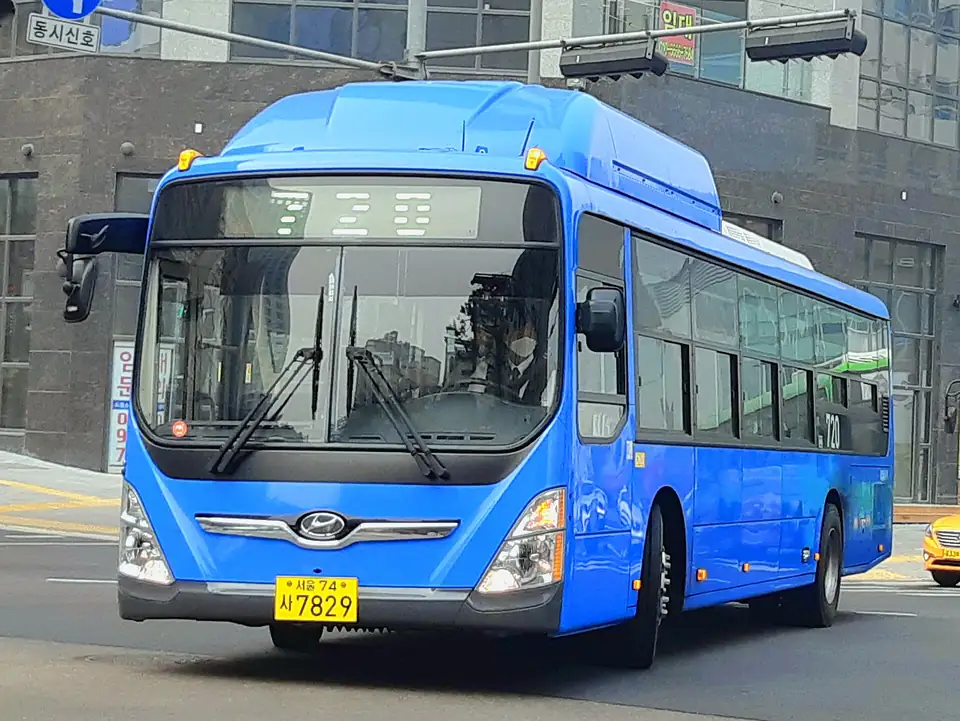
Blue buses (간선버스, ganseon) are Seoul's trunk lines. They link the outer districts with the centre and the other big business areas, and the city plans them for speed and reliable timing.1 On big roads they often use the bus lanes in the middle of the street, so the stop may be on an island in the centre of the road rather than on the pavement.
If you are going from your hotel to a district on the other side of the city, a blue bus is usually the one you want.
Green buses: local routes
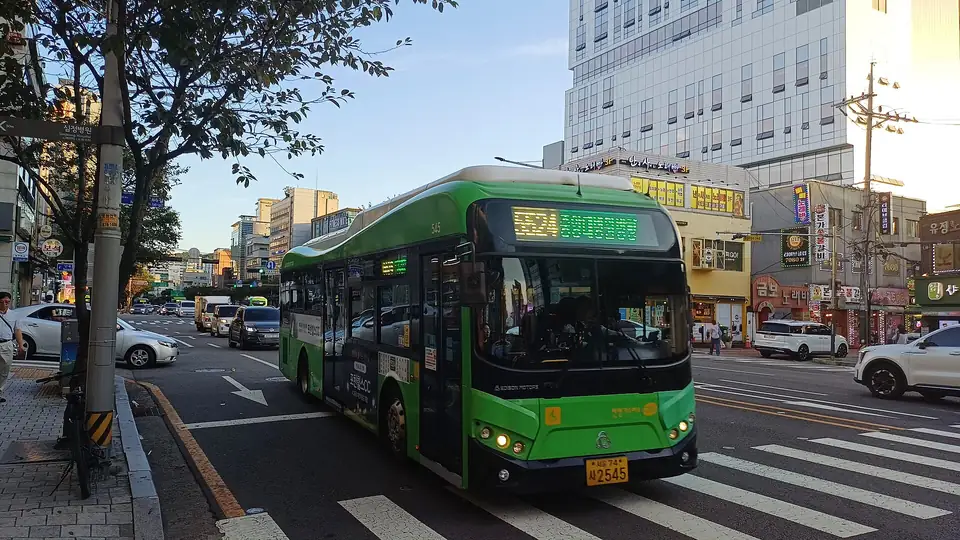
Green buses (지선버스, jiseon) are shorter routes that connect neighbourhoods with blue bus routes and subway stations.1 They are the buses you take for the last part of a trip, for example from a subway station up the hill to a hotel or a clinic that is a long walk from the exit.
Yellow buses: loops around the centre
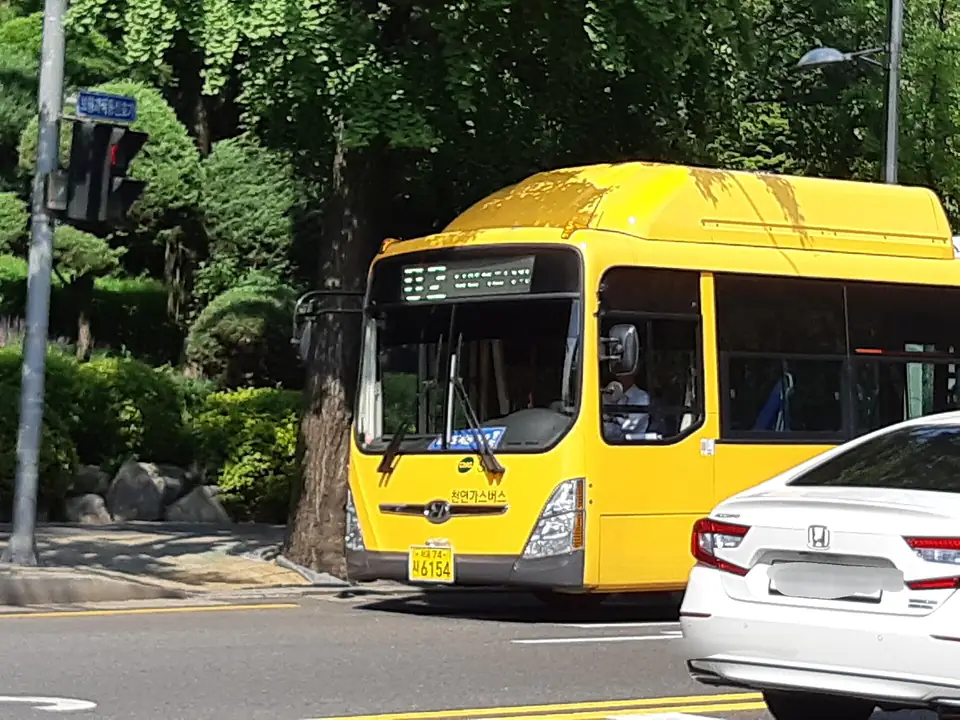
Yellow buses (순환버스, sunhwan) run short circular routes in the city centre and the other main business areas.1 They cost ₩1,400 (about US$1).1
The ones visitors use most are the Namsan buses, 01A and 01B, which go up to N Seoul Tower. Do not look for a yellow bus there: since 2024 both routes use the Haechi bus design, mint for 01A and pink for 01B. 01A also stops at Chungmuro Station, Namdaemun Market and Gyeongbokgung Palace, and runs every 6 to 9 minutes.4
Red buses: express to cities around Seoul
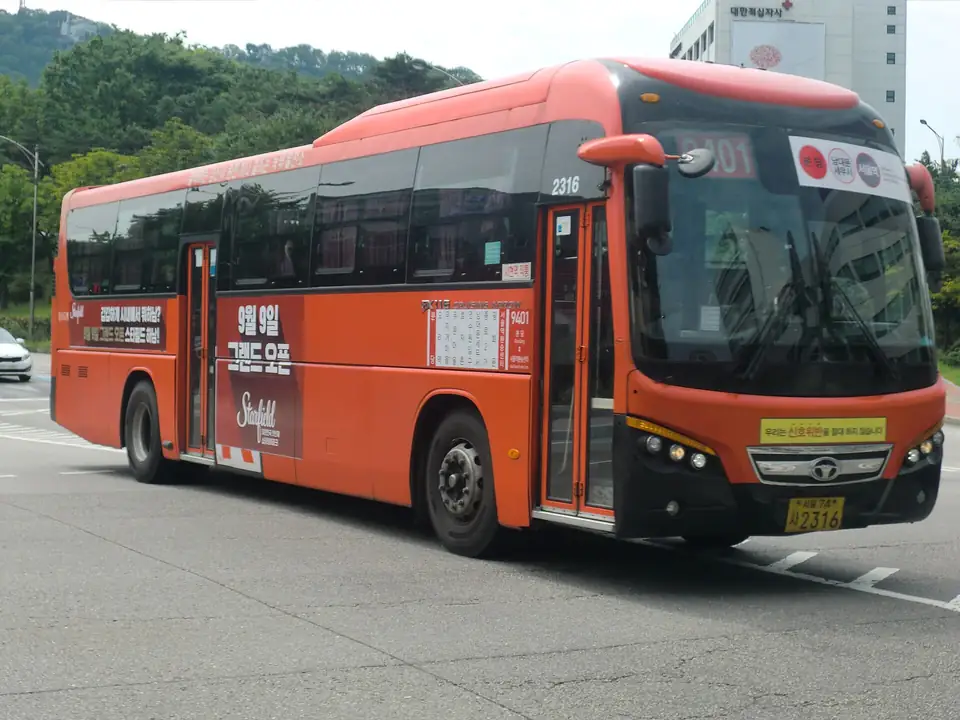
Red buses (광역버스, gwangyeok) connect Seoul with the surrounding cities in Gyeonggi Province.1 They make few stops and cost ₩3,000 (about US$2.2), twice the blue and green fare.1
Two things to know. First, the Climate Card does not work on them.7 Second, many buses from Gyeonggi and Incheon that enter Seoul are not Seoul buses at all, even when they look similar, so check the fare before you board if you are using a pass.
Maeul buses: small neighbourhood buses
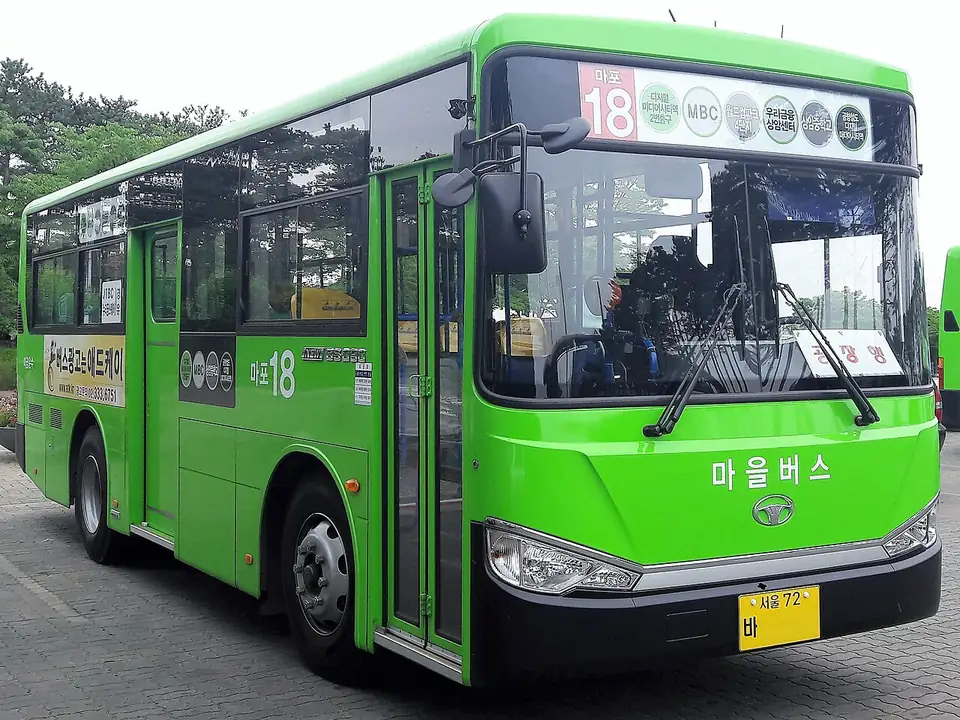
Maeul buses (마을버스) are small green buses that link nearby stops and subway stations inside one area.1 Their route numbers start with the district name in Korean, such as 마포18 (Mapo 18) or 강남01 (Gangnam 01). The fare is ₩1,200 (about US$0.9).1
They are useful when a place is on a side street or a hill that the big buses do not reach. Map apps list them with the district name, so if you see "Mapo 18" or "Gangnam 01" in your route, it is a maeul bus.
Night buses: the N routes
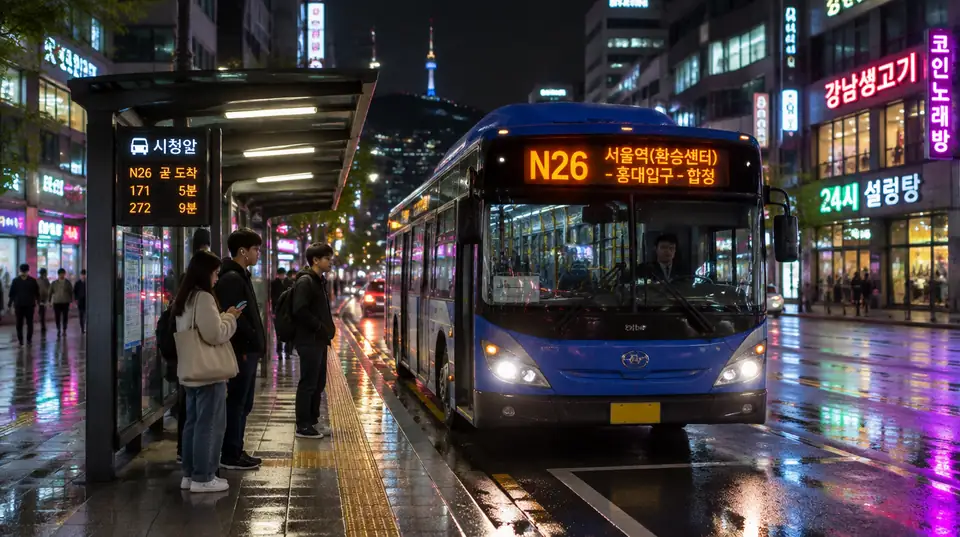
Seoul runs 14 night bus routes, with 140 buses, between 11 pm and 6 am. The fare is ₩2,500 (about US$1.9) by card.5 The route number starts with N, for night, followed by two digits for the starting and ending districts. N16, for example, runs between zone 1 (Dobong) and zone 6 (Guro).6
On many routes a night bus comes only every 15 to 30 minutes, so check the arrival time in a map app before you walk to the stop.5
Reading the route number
Seoul is split into eight zones, numbered 0 to 7, and the first digits of blue and green bus numbers tell you where the bus starts and where it goes.2, 3
| Zone | Districts |
|---|---|
| 0 | Jongno, Jung, Yongsan (the city centre) |
| 1 | Dobong, Gangbuk, Seongbuk, Nowon |
| 2 | Dongdaemun, Jungnang, Seongdong, Gwangjin |
| 3 | Gangdong, Songpa |
| 4 | Seocho, Gangnam |
| 5 | Dongjak, Gwanak, Geumcheon |
| 6 | Gangseo, Yangcheon, Yeongdeungpo, Guro |
| 7 | Eunpyeong, Mapo, Seodaemun |
Source: Seoul Metropolitan Government.3
So blue bus 103 starts in zone 1 (Nowon) and goes to zone 0 (the centre), and green bus 3417 runs from zone 3 (Songpa) to zone 4 (Gangnam).2 Red bus numbers all start with 9.2 You do not need to memorise this, but it helps you check you are not about to ride the wrong way.
Seoul bus fares and transfers
| Bus | Adult fare by card | Before 6:30 am |
|---|---|---|
| Blue and green | ₩1,500 (about US$1.1) | ₩1,200 (about US$0.9) |
| Yellow | ₩1,400 (about US$1) | ₩1,120 (about US$0.84) |
| Red | ₩3,000 (about US$2.2) | ₩2,400 (about US$1.8) |
| Maeul | ₩1,200 (about US$0.9) | ₩960 (about US$0.72) |
| Night (N) | ₩2,500 (about US$1.9) | No discount |
Source: Seoul Metropolitan Government, fares in effect since August 2023.1
Transfers between buses and the subway are discounted if you follow the rules:1
- Tap your card when you get off. Without that tap, your next ride counts as a new trip.
- Board the next bus or train within 30 minutes. Between 9 pm and 7 am you have an hour.
- Up to four transfers (five rides) count as one trip.
- Getting back on the same route is not a transfer.
- Longer trips cost a little more. After the first 10 km, you pay ₩100 (about US$0.07) for every extra 5 km.
When you transfer between two kinds of bus, you pay the difference up to the higher base fare.1
How to ride a Seoul bus
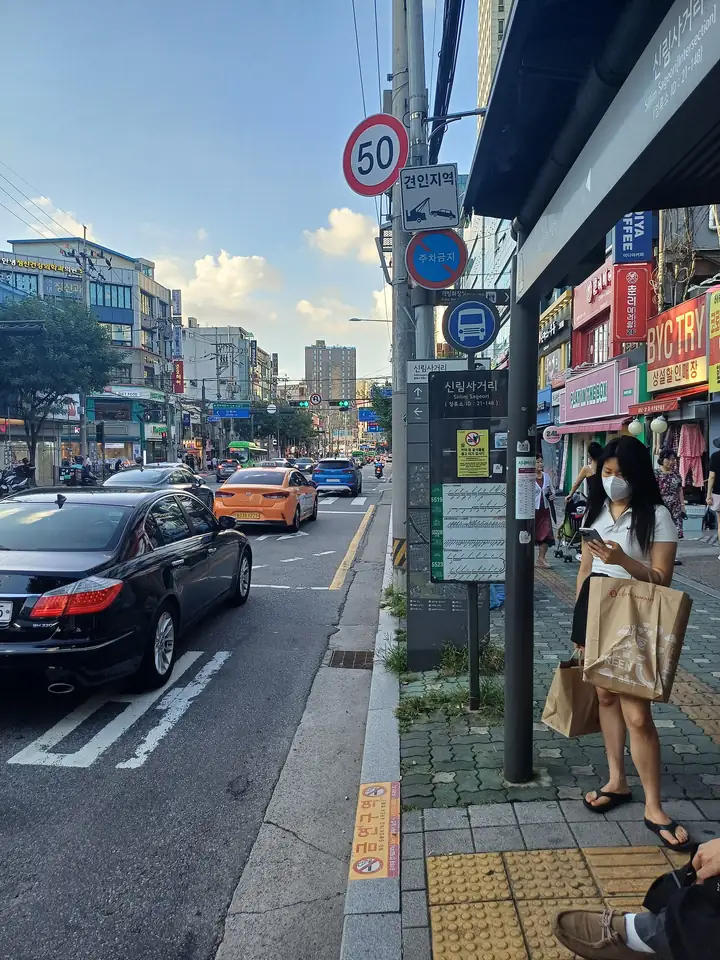
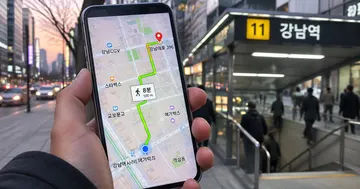
- Find the stop in a map app. Naver Map and KakaoMap show which buses stop there, and when the next one arrives. The stop name and number on the screen should match the sign.
- Step forward when your bus comes, so the driver sees you want to get on.
- Get on at the front door and tap your card on the reader next to the driver.
- Press a stop button before your stop. The next stop is announced on board and shown on a screen.
- Get off at the back door and tap your card again on the reader by the door.
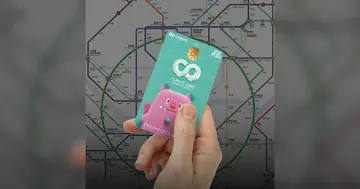
Card, not cash. A Seoul bus does not take a foreign bank card yet. Use T-money or the Climate Card. More than 100 Seoul routes are now cash-free, including the Namsan buses 01A and 01B.8 Seoul plans to let visitors tap a foreign contactless card on city buses, and the card companies expect it from 2027.9, 10
For the subway, taxis and transit cards, see our guide to getting around Seoul.
Airport buses are a different system
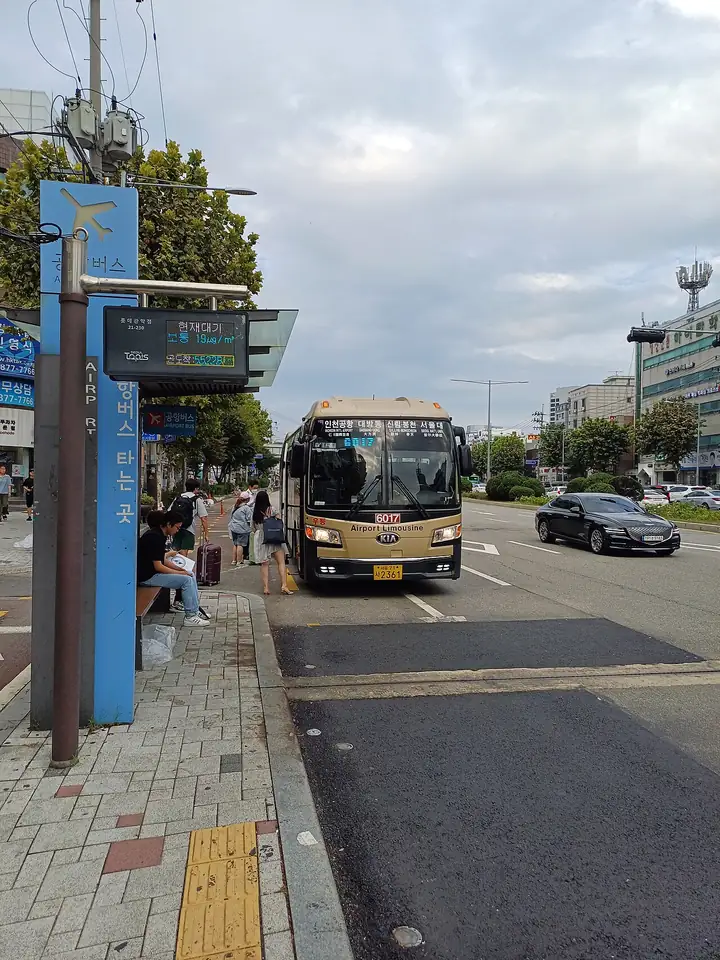
The buses between Incheon Airport and Seoul hotels, numbered 6000 and up, are airport limousine buses run by separate companies. They are not part of the colour system above and cost more, so check the fare and which cards they take before you board.
Taking the bus to a clinic
Most skin and dental clinics in Gangnam and Myeongdong are a short walk from a subway exit, so the subway is usually simpler. The bus helps when a clinic is up a hill or between stations. Search the clinic's Korean address in Naver Map, and it will show you whether a green or maeul bus gets you closer than the walk from the station.
Questions
What do the bus colours mean in Seoul?
Blue buses run long routes between the outer districts and the city centre. Green buses are shorter local routes that link to subway stations. Yellow buses loop around the centre. Red buses run express to cities around Seoul. Small green maeul buses cover short neighbourhood trips.
How much is the bus in Seoul?
With a transit card, an adult pays ₩1,500 (about US$1.1) on blue and green buses, ₩1,400 (about US$1) on yellow buses, ₩3,000 (about US$2.2) on red buses, ₩1,200 (about US$0.9) on maeul buses and ₩2,500 (about US$1.9) on night buses.
Can I pay for the bus in Seoul with a credit card?
Not by tapping a foreign card yet. You need a transit card such as T-money or the Climate Card. Seoul plans to accept foreign contactless cards on buses, and the card companies say the service should start in 2027.
Can I pay cash on Seoul buses?
On many buses, yes, but more than 100 Seoul routes no longer take cash, including the Namsan buses 01A and 01B. Cash also gets you no transfer discount, so use a card.
Does the Climate Card work on Seoul buses?
Yes, on blue, green, yellow, maeul and night buses licensed by Seoul. It does not work on red buses.
Do I need to tap my card when I get off the bus?
Yes. Tap the reader by the back door when you get off. If you do not, the next ride is charged as a new trip instead of a transfer.
Find a skin or dental clinic near your hotel
Find skin and dental clinics in Seoul by area, with the nearest station and opening hours.
Compare clinicsUS dollar figures are rough estimates at ₩1,340 to US$1 (November 2026).
Sources
- Seoul Metropolitan Government: Seoul city bus system and how to use it (updated March 2026) (in Korean)
- Seoul Metropolitan Government: how bus colours and numbers show the route (2004) (in Korean)
- Seoul Metropolitan Government: which districts each starting digit stands for (in Korean)
- Seoul Metropolitan Government: Haechi buses on Namsan routes 01A and 01B (2024) (in Korean)
- Seoul Metropolitan Government: night buses, 14 routes (updated March 2026) (in Korean)
- Seoul Metropolitan Government: what N bus numbers mean (in Korean)
- Seoul Metropolitan Government: where the Climate Card works (in Korean)
- Seoul Metropolitan Government: cash-free bus routes (January 2026) (in Korean)
- Seoul Metropolitan Government: plan to accept foreign bank cards on buses and the subway (2025) (in Korean)
- SBS Biz: tap-to-pay with foreign cards planned from 2027, starting with Seoul city buses (in Korean)
Photos: Wikiwater2020 (CC BY-SA 3.0); Striker9498 (CC0); Wikiwater2020 (CC BY-SA 3.0); hyolee2 (CC BY-SA 4.0); exosDelphinus (CC BY-SA 4.0); Striker9498 (CC0); Striker9498 (CC0). All via Wikimedia Commons. Other images by meeinup.